
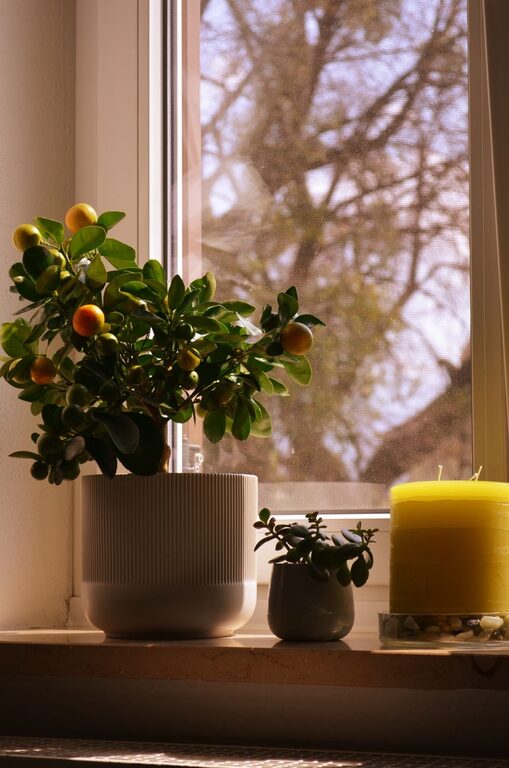
Bringing plants into your home is one of the simplest and most effective ways to refresh your living space. Not only do plants add color and life to your rooms, but they also improve air quality and create a calming atmosphere. Whether you’re a seasoned plant lover or just starting out, this guide will help you choose, arrange, and care for plants to transform your home.
Why Add Plants to Your Home?
Plants offer several benefits beyond their natural beauty:
– Air purification: Many indoor plants help remove toxins from the air, making your home healthier.
– Mood booster: The presence of greenery has been shown to reduce stress and improve mental well-being.
– Decoration: Plants add texture, color, and interest to any room, complementing your existing decor.
– Connection to nature: Bringing the outdoors inside helps create a more relaxing and inviting environment.
Choosing the Right Plants for Your Space
Selecting plants that suit your home’s conditions and your lifestyle is key to success.
Consider Light Levels
Different plants need different amounts of sunlight. Assess the natural light in each room before choosing plants.
– Low light: Snake plant, pothos, ZZ plant
– Medium light: Spider plant, peace lily, philodendron
– Bright light: Succulents, cacti, fiddle leaf fig
Think About Care Requirements
Some plants require more care than others. Be realistic about how much time you want to spend watering and tending your plants.
– Low maintenance: Succulents, snake plant, ZZ plant
– Moderate: Spider plant, pothos, peace lily
– High maintenance: Orchids, fiddle leaf fig, calatheas
Match Plant Size to Space
Consider the size of the plant and the space you have. Small plants work well on shelves or desks, while larger plants can become a focal point on the floor.
Creative Ways to Display Plants
How you arrange plants can greatly impact the look and feel of your home.
Use Plant Stands and Shelves
Elevate smaller plants with stands or place them on shelves to create layers and visual interest.
Hang Plants
Hanging planters are a great option for rooms with limited floor or shelf space. Macramé hangers add a trendy, handmade touch.
Group Plants Together
Grouping different plants can create a lush, jungle-like effect. Mix different heights and leaf shapes for a natural look.
Use Decorative Pots
Choose pots that match your décor style—whether minimalist, rustic, or colorful—to enhance the aesthetic.
Basic Plant Care Tips
Keeping your plants healthy ensures they continue to brighten your home.
Watering
Overwatering is a common mistake. Check the soil moisture before watering. Most plants prefer the soil to dry out slightly between watering.
Light
Rotate plants occasionally to ensure even growth and prevent them from leaning toward the light source.
Fertilizing
Feed plants during their growing season (spring and summer) with a balanced houseplant fertilizer, following the package instructions.
Cleaning
Dust leaves gently with a damp cloth to keep them looking their best and help them absorb light.
Adding Plants to Different Rooms
Living Room
Large statement plants like fiddle leaf figs or monstera add drama and style. Smaller plants on shelves or side tables complement your furniture.
Kitchen
Herbs like basil, mint, and rosemary thrive here and provide fresh ingredients for cooking.
Bedroom
Snake plants and peace lilies work well here, improving air quality and creating a calming atmosphere.
Bathroom
Tropical plants that thrive in humidity, such as ferns and orchids, make great additions.
Final Thoughts
Incorporating plants into your home is a rewarding way to refresh your space. Start small, choose plants that suit your environment, and enjoy the process of nurturing your green companions. With time and care, plants will bring beauty, freshness, and a touch of nature into your everyday life.
About the Author