
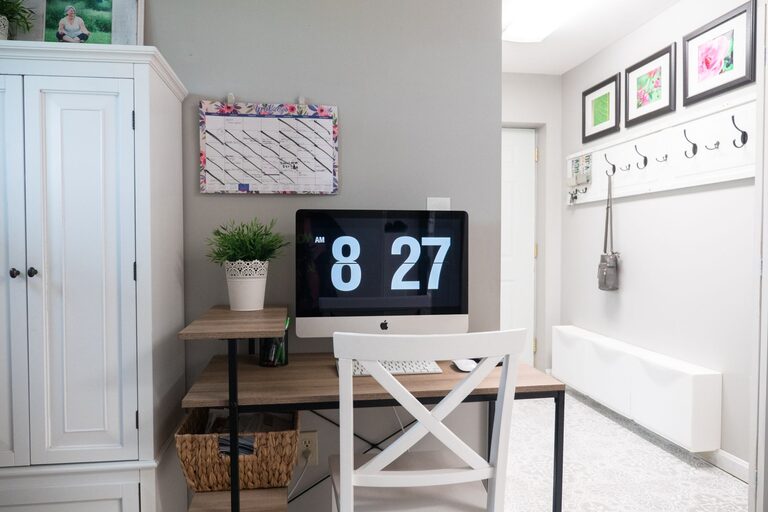
Creating a family command center is a fantastic way to keep your household organized, reduce stress, and ensure everyone stays on the same page. Whether your family is large or small, busy or laid-back, a command center acts as a central hub for calendars, to-do lists, notes, and important information. In this guide, you’ll learn how to set up a family command center that fits your needs and lifestyle.
What Is a Family Command Center?
A family command center is a designated space in your home where you can organize schedules, mail, reminders, and other important items. It’s often placed in a high-traffic area such as the kitchen, entryway, or mudroom, making it easy for everyone to check and contribute.
The goal of a command center is to bring order to the everyday chaos of family life by consolidating important information in one accessible spot.
Benefits of Having a Family Command Center
– Improved Communication: Everyone knows what’s happening and when.
– Less Stress: Fewer forgotten appointments, deadlines, or school events.
– Increased Productivity: Plan meals, chores, and activities ahead of time.
– Better Time Management: Visual schedules help keep routines consistent.
Step 1: Choose the Right Location
Finding the perfect spot is key to making your command center effective. Look for a place where the whole family passes by frequently. Popular locations include:
– Kitchen wall or pantry door
– Entryway or foyer near the front door
– Mudroom or laundry room
– Home office or study area
Make sure the space is large enough to accommodate the materials you want to include and that it’s easy to reach for all family members, including children.
Step 2: Gather Essential Supplies
Your command center can be as simple or elaborate as you prefer, but some basic supplies will help you stay organized:
– Corkboard, whiteboard, or magnetic board
– Calendar (monthly or weekly)
– Clipboards or file holders
– Dry erase markers, pens, and pencils
– Hooks or baskets for keys and mail
– Sticky notes or notepads
– Labels for easy identification
Consider multifunctional items like a chalkboard and calendar combo or a magnetic board with clips for added versatility.
Step 3: Decide What to Include
Tailor your family command center to your household’s specific needs. Here are some common elements to consider:
Calendars and Schedules
A central calendar is essential for tracking appointments, school events, sports practices, and birthdays. Choose a format that works best for your family—a wall calendar, printable planner pages, or a digital calendar displayed on a tablet.
To-Do Lists and Chores
Use a whiteboard or clipboards to list daily or weekly tasks and chores. This encourages responsibility and helps everyone remember their commitments.
Meal Planning
Include a section for weekly meal plans and grocery lists. This can simplify shopping trips and dinner prep.
Important Documents and Mail
Set up trays or file holders for incoming mail, permission slips, bills, and other papers that need attention. This reduces clutter on counters and prevents lost items.
Notes and Reminders
Sticky notes or a messaging board allow family members to leave quick reminders or share important information.
Emergency Contacts and Information
Keep a printed list of emergency numbers, medical information, and household rules in an easily visible area.
Step 4: Organize and Personalize
Arrange the items in a logical, easy-to-use layout. For example, place the calendar at eye level, mail slots below, and chore charts nearby. Use color coding or labels to differentiate between family members or categories.
Encourage each family member to decorate their section or add personal touches. This helps create a sense of ownership and makes the command center inviting.
Step 5: Maintain and Update Regularly
A family command center is most effective when it’s kept up-to-date. Set aside a few minutes each day or week to review schedules, update lists, and clear out old papers. Involve the whole family in this process to keep everyone engaged.
Tips for Success
– Keep It Simple: Avoid overloading the space with too many items or complicated systems.
– Use Technology: Supplement your physical command center with shared digital calendars or apps.
– Make It Accessible: Ensure children can reach and understand their sections.
– Flexible Design: Use removable hooks or magnetic elements to easily adapt as needs change.
– Encourage Participation: Hold family meetings to review plans and coordinate schedules.
Examples of Family Command Center Ideas
– The Wall Organizer: A large corkboard with pinned calendars, notes, and a small basket for mail.
– The Cabinet Door Command Center: Using the inside of a kitchen cabinet door to hang schedules and lists.
– The Bulletin Board Hub: A brightly colored board in the hallway with clearly labeled sections for each family member.
– The Digital Command Center: Combining a tablet display with physical elements like a key hook and mail basket.
Final Thoughts
Setting up a family command center is a practical and creative way to bring order to your home life. By establishing a central point for communication and organization, you’ll save time, reduce stress, and foster teamwork among family members. Start small, customize it to your needs, and watch your household become more connected and coordinated. Happy organizing!
About the Author